
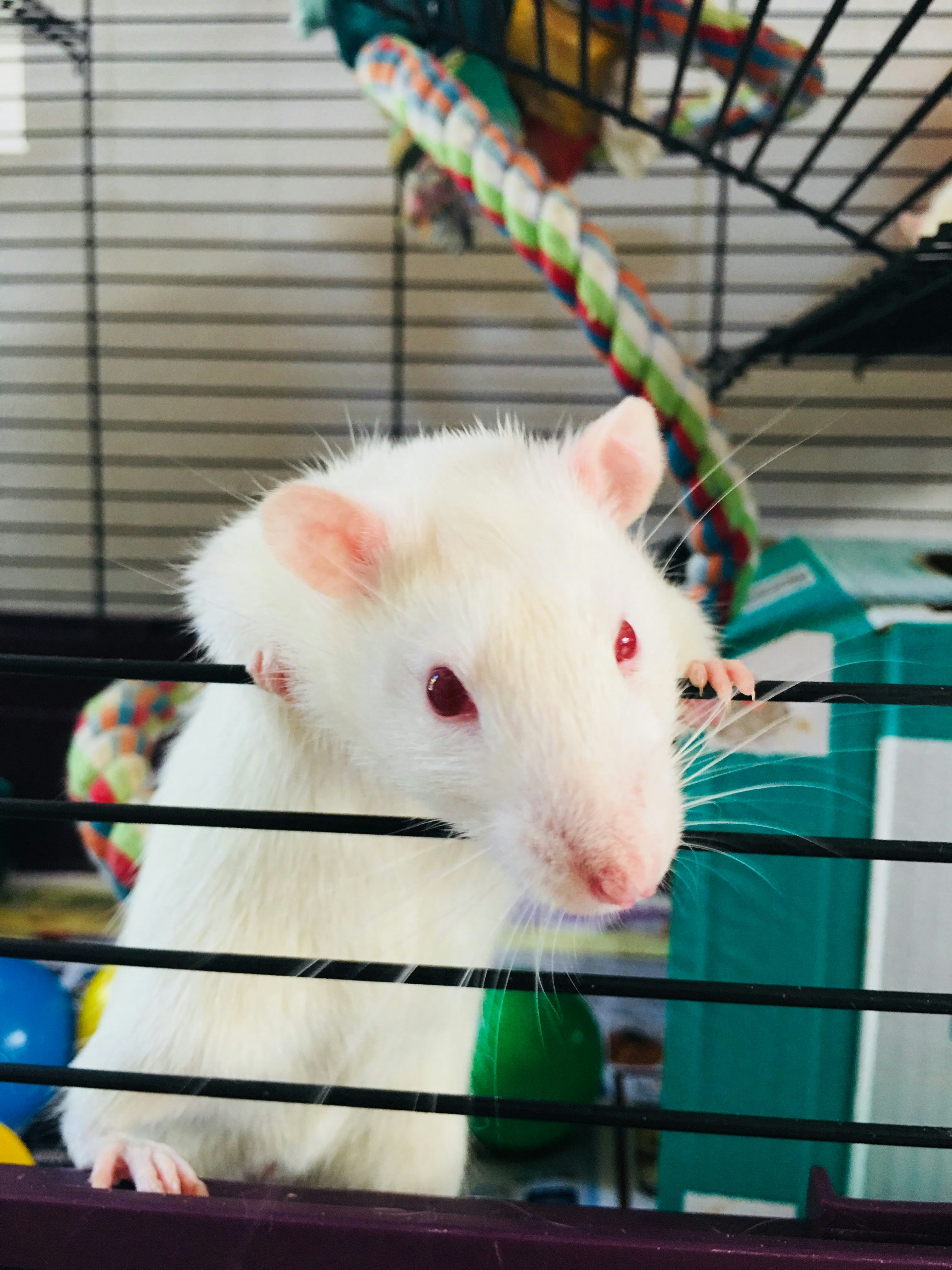
Introduction to Pet Rats: Intelligent Companions
Pet rats are often underestimated as companions, but they possess a remarkable blend of intelligence and affection that makes them unique pets. These small animals belong to the rodent family and are recognized for their exceptional problem-solving abilities. A common pet choice, especially among newcomers to the world of small animals, rats are known for their engaging behavior and ease of training. They exhibit a range of emotions and can form strong bonds with their human caregivers, providing companionship that many find deeply rewarding.
One of the essential characteristics of rats is their social nature. In the wild, they live in groups, which underscores the importance of keeping pet rats in pairs or small colonies. When cared for in isolation, rats can become lonely or depressed, leading to deterioration in their overall well-being. It is vital to understand that interactions with their own kind significantly enhance their quality of life. A minimum of two rats is recommended, as they thrive on social contact and the opportunity to engage in play and exploration with their companions.
Understanding their social behavior is crucial for potential rat owners. Rats communicate using a variety of vocalizations, body postures, and scents. Being attentive to these signals allows owners to meet their pets’ emotional and physical needs effectively. The Aventura 160 cm metal cage or the Rockford Double 183 cm cage are excellent choices for housing multiple rats, offering ample space for exploration and social interaction. With proper housing, socialization, and care, pet rats can live long, happy lives, enriching their owners’ experiences and demonstrating their remarkable personalities.
Why You Should Never Keep a Rat Alone
Rats are inherently social creatures, and their well-being is deeply intertwined with the companionship of their peers. In the wild, they live in colonies, where they engage in various social interactions that promote their growth and happiness. Isolating a rat from its kind can lead to severe psychological stress, which manifests in various behavioral issues, such as increased apathy, aggression, and excessive grooming, which is often detrimental to their health.
Social interaction among rats includes a variety of communication methods, ranging from vocalizations to body language. They use high-pitched sounds to express excitement or distress and often engage in playful wrestling or chasing, which strengthens their bonds. Additionally, rats engage in grooming behaviors, where they clean each other’s fur, reinforcing social connections and promoting a sense of security. The presence of a companion rat provides emotional support and enriches their quality of life, fundamentally impacting their mental health.
When considering housing options such as the Aventura 160 cm metal cage or the Rockford double 183 cm cage, it’s essential to note that these spacious environments are designed to accommodate multiple rats. This facilitates natural behaviors and interactions, allowing them to thrive in a setting that mimics their social structures. Proper housing not only enhances their living conditions but also encourages the development of their social skills.
Incorporating multiple rats into your home can significantly elevate the experience of pet ownership. The bonding and companionship encouraged by having more than one rat create a lively and affectionate atmosphere. The shared activities they engage in bring a unique joy to owners and ensure that each rat’s needs for social interaction are met. Ultimately, ensuring that rats are not kept alone is critical for their happiness, health, and overall well-being.
Selecting the Right Companions: Pairs or Trios?
When it comes to selecting the right companions for your pet rats, determining the appropriate number and gender is crucial for fostering compatibility. Rats are inherently social creatures who thrive in the company of their own kind. Consequently, it is often recommended to keep them in pairs or small groups rather than alone. A same-sex pair or trio can provide the social interaction that pet rats require, reducing stress and promoting a healthy lifestyle.
When selecting your companions, it is important to consider their personality traits, size, and breed. Each rat, much like humans, has its unique temperament, which can influence its compatibility with potential companions. Gently observe the rats’ behaviors and interactions with one another before making a decision, as aggressive or overly timid individuals may disrupt the harmony of the group. It is important to ensure the rats are of similar sizes; larger rats may unintentionally dominate smaller ones, leading to potential conflicts.
Upon choosing your rats, introducing new companions requires a thoughtful approach. This can help establish a healthy hierarchy within the group. Initially, place the new rat in a separate cage, allowing the original rats to become acquainted with the newcomer through scent. After a few days, supervised interactions can be held in a neutral area, which will help mitigate territorial behavior. Monitoring these interactions closely and providing ample space and resources will facilitate a smoother transition.
When properly cared for, whether in an Aventura 160 cm metal cage or a Rockford double 183 cm cage, these little companions can form strong social bonds. By selecting compatible pairs or trios and implementing focused introductions, rat owners can cultivate a joyful environment that supports the wellbeing of their furry friends. In conclusion, the right selection and introduction of pet rats are essential factors in ensuring they live happily and healthily together.
Creating the Perfect Environment: Cage Requirements
Providing a suitable environment for pet rats is crucial for their overall well-being and happiness. A properly designed cage offers ample space, safety, and stimulation for these intelligent animals. Rats are highly active creatures, and their habitat must reflect their need to explore, climb, and forage. The first key aspect to consider is the height of the cage. A taller cage allows for multi-level structures that facilitate climbing and exploration, which can greatly enhance a rat’s quality of life.
One such model, the Aventura 160 cm metal cage, is an excellent choice. This cage offers sufficient height and depth, providing a spacious environment that can be customized with various accessories like ramps and hammocks for climbing. Similarly, the Rockford Double 183 cm cage caters to the active lifestyle of rats, allowing for multiple levels and ample room to roam. When selecting a cage, it is imperative to ensure that it is built from chew-safe materials. Rats are notorious for their gnawing habits, and using unsuitable materials can lead to health risks.
To create an enriching environment, owners should incorporate solid platforms throughout the cage. These platforms can serve as resting spots and promote interaction between rats. Furthermore, many rats enjoy the security that hammocks provide and will utilize them as cozy retreats after a playful day. By placing ramps strategically, owners can maximize the vertical space within the enclosure, encouraging their pets to engage in physical activity.
In conclusion, when housing pet rats, it is essential to prioritize their need for vertical space, safety, and stimulation. Consider models like the Aventura 160 cm and Rockford Double 183 cm cages, which offer the necessary features for creating a happy, healthy habitat that caters to the needs of these delightful pets.
The Essentials of Rat Care: Daily Habits and Toys
Keeping pet rats happy and healthy requires understanding their daily needs and ensuring that their environment is stimulating. Proper feeding is crucial; a balanced diet tailored to their nutritional requirements includes high-quality rat pellets supplemented with fresh fruits and vegetables. This diverse diet not only offers essential vitamins and minerals but also keeps them engaged during mealtime. It is best to establish a feeding schedule that promotes routine, helping your rats feel secure.
In terms of grooming, rats tend to maintain their own cleanliness, but regular handling can help them become accustomed to human interaction, reducing stress in their lives. A gentle brushing occasionally will assist in removing loose fur and dander, enhancing your rat’s comfort and health. For keeping their environment clean, it is essential to provide a suitable cage, such as the Aventura 160 cm metal cage or the Rockford double 183 cm cage, which offers ample space for exercise and play.
An equally important aspect of rat care is providing enriching activities. Rats are intelligent creatures that thrive on stimulation, both mentally and physically. Introducing chew-safe toys is essential, as it allows them to express their natural instincts while keeping their teeth healthy. Interactive toys, such as tunnels, exercise wheels, or puzzle feeders, enhance their problem-solving skills and keep their instincts sharp. Additionally, allowing out-of-cage time for supervised exploration encourages exercise and curiosity.
Incorporating training into playtime can further enrich a pet rat’s life. Basic commands and tricks not only stimulate their minds but also strengthen the bond between rat and owner. Regular interaction fosters a comforting routine, facilitating a happy and healthy environment for your pets. Recognizing these daily habits and toys can significantly improve your rat’s life, ensuring they thrive in your care.
Maintaining a Healthy Environment: Air Quality and Hygiene
Maintaining optimal air quality is crucial for the health and well-being of pet rats. These small creatures are sensitive to their environment, and poor air quality can lead to respiratory issues and other health problems. To ensure that the habitat remains clean and safe, it is important to establish a well-ventilated space. This can be achieved by positioning the cage, such as the Aventura 160 cm metal cage or Rockford double 183 cm cage, in an area that receives adequate airflow. Additionally, avoid placing the cage in damp or humid areas, which can further deteriorate air quality.
Regular cleaning routines are essential for controlling ammonia buildup from urine, which can cause distress to rats. Spot-cleaning the cage frequently—ideally daily—helps to remove waste and maintain cleanliness. This practice not only promotes a healthier environment for your pets but also reduces unpleasant odors that may arise from accumulated waste. Focus on areas where the rats tend to urinate the most, especially in the litter area or corners of the cage. Use appropriate cage substrates, such aspaper-based or aspen bedding, which can help absorb moisture and neutralize odors.
In addition to spot-cleaning, consider conducting a more thorough weekly cleaning of the entire cage. Disassemble the cage components, wash them with pet-safe cleaning solutions, and rinse thoroughly to ensure that no residue remains. Be mindful of your cleaning products, as some chemicals can be harmful to rats. Ventilate the living area well during and after cleaning to avoid trapping harmful fumes. By effectively managing the air quality and hygiene within your pet rats’ environment, owners can foster a happier and healthier life for their furry companions. Prioritizing proper ventilation and cleanliness will contribute greatly to the overall well-being of the rats. In conclusion, adhering to these practices is essential for any responsible rat owner.
Health and Wellness: Regular Check-Ups and Signs of Illness
Maintaining the health and wellness of pet rats is essential for ensuring they lead happy and productive lives. Regular health check-ups are critical and should be incorporated into your rat care routine. These visits to a veterinarian with experience in small animals help establish a baseline for your pets’ health and can facilitate early detection of any potential issues. It is advisable to schedule check-ups at least once a year, or more frequently if any health concerns arise.
Common health issues that rat owners may encounter include respiratory infections, tumors, and dental problems. Respiratory infections in particular can be quite serious, as rats are prone to breathing difficulties. Watch for signs such as wheezing, labored breathing, or unusual sneezing which could indicate an underlying issue. Tumors can develop in rats, especially as they age; thus, it is essential to monitor for any lumps or swelling on their bodies. Additionally, dental issues often arise due to their ever-growing teeth; symptoms may include difficulty eating or excessive drooling.
Understanding the signs of illness is crucial for prompt treatment. Changes in behavior, such as lethargy, loss of appetite, or unusual aggression can signify health problems. It is vital to remain observant and attentive to your rats’ habits. Should you notice any of these symptoms or behavioral changes, seeking veterinary care immediately is important. Knowing your pet’s needs is part of rat care, and a reliable veterinarian can provide specific guidance tailored to your pets.
In conclusion, regular health check-ups are vital in monitoring and maintaining the health of your pet rats. Being aware of common health issues and their symptoms will help you provide excellent care. By staying informed and proactive, you can ensure your pet rats remain healthy and vibrant.
Bonding with Your Rats: Training and Socialization Tips
Building a strong bond with your pet rats is essential for their well-being and happiness. Effective training and socialization can significantly enhance the relationship between rats and their owners. Trust is the cornerstone of this bond; hence, your first step should be creating a safe and comfortable environment. Consider the housing arrangements; for instance, using an aventura 160 cm metal cage or a rockford double 183 cm cage ensures ample space for your rats to explore and feel secure.
Engaging with your rats during playtime is an excellent way to foster positive interactions. Rats are social creatures that enjoy companionship, and dedicating time to play will not only entertain them but also strengthen your bond. Use toys specifically designed for rats, or even household items, to encourage exploration and engagement. Introduce interactive play by gently guiding them through new experiences, which will help them feel comfortable and secure in your presence.
Incorporating treats into training sessions can be an effective strategy for motivating your rats. When introducing new behaviors, opt for small, healthy treats that they find appealing. Start with simple commands, such as “come,” and reward them immediately when they respond. Clicker training can also be beneficial at this stage; the sound of the clicker serves as a positive reinforcement, marking the desired behavior and encouraging your rats to repeat it. This method not only teaches tricks but also enhances communication between you and your pets.
Consistency is vital in training. Schedule regular sessions, making them short and fun to keep your rats engaged without overwhelming them. Remember that patience is key; each rat learns at their own pace. By using these techniques for bonding and socialization, you can cultivate a trusting and joyful relationship with your pet rats.
Resources for Rat Owners: Where to Find Supplies and Support
For those who are embarking on the rewarding journey of rat ownership, having access to quality resources is essential for ensuring the well-being and happiness of these intelligent creatures. A variety of suppliers are available for purchasing cages, toys, food, and health supplies that cater to the unique needs of pet rats.
One recommended option for acquiring a suitable habitat is the Little Pet Warehouse, which offers an assortment of cages, including the popular Aventura 160 cm metal cage and the Rockford double 183 cm cage. Both cages are designed with rat safety and comfort in mind, providing ample space for these curious animals to explore, climb, and play. When selecting a cage, consider the size and bar spacing, as these factors can significantly impact your rats’ quality of life.
In addition to cages, an array of toys and enrichment activities is crucial for keeping your pet rats engaged and enriched. Look for items that encourage foraging behavior and mental stimulation, as these are vital for their well-being. Chewing toys made of safe materials can also help maintain dental health.
Furthermore, it is equally important to provide your rats with a balanced diet. Many suppliers offer specialized rat food that meets their nutritional needs. Be on the lookout for reputable brands at online pet stores or local shops to ensure your pets receive the best available nutrition.
For ongoing support and reliable information, websites of organizations such as the RSPCA provide valuable resources regarding rat care and welfare. Government welfare advice also offers guidelines that can help new rat owners navigate the responsibilities of pet ownership. With these resources at hand, individuals can confidently enrich the lives of their pet rats while fostering a deep understanding of their needs.