
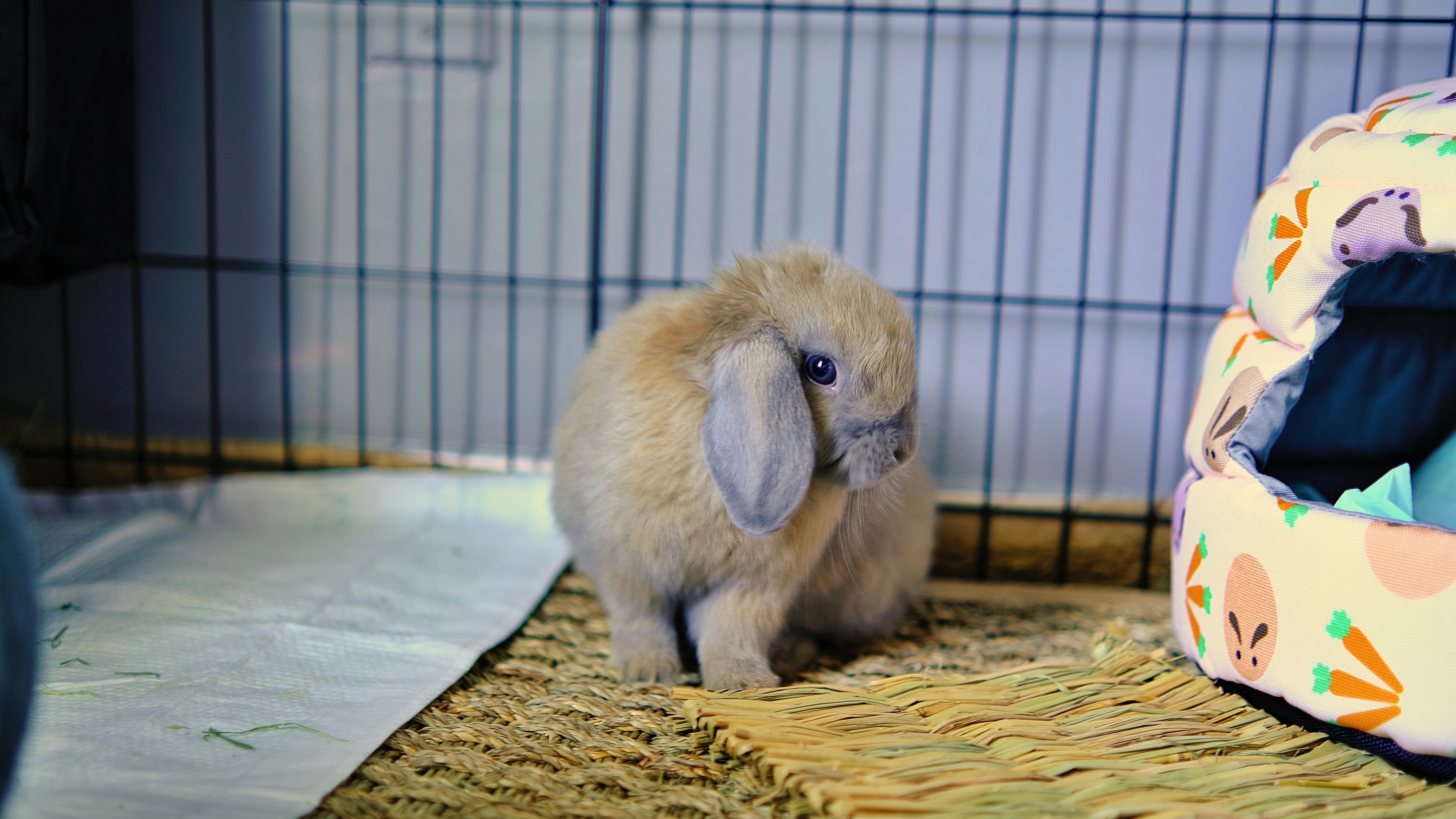
Introduction to Rabbits
Rabbits, commonly referred to as bunnies, are small mammalian creatures belonging to the family Leporidae. They are recognized for their distinctive long ears, large hind legs, and short, fluffy tails. As a species, rabbits are categorized into various breeds, including those kept as pets, used for agricultural purposes, and those found in the wild. This categorization highlights the versatility and adaptability of rabbits, which can thrive in diverse environments around the globe.
In the domestic sphere, rabbits have gained popularity as companion animals. Domestic rabbits, or pet bunnies, are often housed in environments such as a hutch with a hay rack, which provides them with a comfortable habitat. Additionally, a large indoor cage can serve as a spacious living area for pet rabbits, ensuring they have adequate room to hop around and explore. These environments not only cater to their physical needs but also stimulate their natural behaviors, reflecting the importance of proper housing in their care.
Wild rabbits, on the other hand, are commonly found in various habitats, including forests, grasslands, and wetlands. They play significant ecological roles, such as being prey for various predators and contributing to soil health through their burrowing activities. The global distribution of rabbits spans continents, with notable populations in North America, Europe, and Asia. Furthermore, rabbits have woven themselves into the cultural fabric of many societies. They appear in folklore, symbolize fertility, and are often associated with specific agricultural practices, serving not only as a food source but also as important figures in local traditions and festivities.
Ultimately, rabbits hold a multifaceted place in both ecosystem dynamics and human society, illustrating their significance across different cultures and environments.
Rabbit Anatomy and Physiology
Rabbits, commonly referred to as bunnies, possess a unique anatomical and physiological structure that sets them apart in the animal kingdom. One of the most notable features of rabbits is their powerful hind legs, which are designed for rapid movement and agility. This adaptation allows them to escape from predators and navigate various terrains with ease. The large, muscular thighs enable impressive jumps, making them remarkable athletes in the wild.
Their long ears are another distinctive feature, providing an enhanced sense of hearing. These elongated ears can rotate independently, allowing rabbits to detect sounds from different directions. Such capabilities are crucial for survival, as they enable them to be vigilant and aware of potential threats. Additionally, rabbits possess large eyes positioned on the sides of their heads, granting them a wide field of vision to spot dangers in their environment.
Rabbits are herbivores, and their specialized teeth reflect their dietary needs. They have a set of incisors that continuously grow throughout their lives, enabling them to efficiently process fibrous plant material. The teeth are essential for maintaining a healthy diet, which primarily consists of hay, grass, and vegetables. The anatomy of their digestive system is also adapted for a high-fiber diet, featuring a complex arrangement that allows for the fermentation of food in the cecum.
In terms of reproductive anatomy, rabbits are classified as prolific breeders. Female rabbits, or does, can become pregnant shortly after giving birth, leading to large litters. Their adaptability is further illustrated by their ability to inhabit various ecosystems and environments. From forests to deserts, rabbits have evolved to thrive in diverse conditions, showcasing their resilience and versatility.
In conclusion, rabbits exhibit a fascinating array of anatomical and physiological traits that contribute to their survival and adaptability. Understanding these characteristics enhances our appreciation for these remarkable animals, whether they are found in a hutch with a hay rack, a large indoor cage, or in the wild.
Rabbits’ Behavioural Patterns
Rabbits exhibit a range of fascinating behavioural patterns that reflect both their social structures and communication methods. In the wild, rabbits live in burrows and form colonies, a behaviour that promotes social interaction and protection from predators. Domestic bunnies, while often kept in environments like a hutch with hay rack or large indoor cage, retain many of these instinctual traits. Understanding these behaviours is essential for providing proper care for pet rabbits.
A key aspect of rabbit behaviour is their social nature. These animals thrive in the company of others, establishing hierarchical relationships within their groups. When kept alone, a bunny may exhibit signs of loneliness or boredom, which can lead to destructive behaviours or health issues. Owners are encouraged to consider adopting pairs or groups of rabbits to allow for natural social interaction. This companionship fosters not only mental stimulation but also provides an opportunity for grooming, which is a bonding activity among rabbits. Grooming not only helps maintain fur health but also reinforces their social connections.
Communication among rabbits occurs through various methods, including vocalizations, body language, and even scent marking. Bunnies may thump their hind legs to signal danger, while soft purring sounds can indicate contentment. Additionally, their body posture often conveys their mood—ears up and relaxed suggests a happy bunny, while flattened ears indicate fear or aggression. Observing these signals is vital for pet owners to respond appropriately to their rabbits’ needs.
Daily activities of rabbits include foraging, eating, and exercising. These behaviours are crucial for their physical and mental health. The provision of ample space to hop and explore, along with appropriate enrichment such as toys and tunnels, enhances their well-being. Overall, understanding the behavioural patterns of rabbits is essential for providing a nurturing environment that meets their social, communicative, and physical needs.
Diet and Nutrition of Rabbits
The diet of rabbits, often referred to as bunnies, is a crucial aspect of their overall health and well-being. A balanced diet is essential for these small mammals, primarily consisting of hay, fresh vegetables, and specially formulated pellets. Hay, which should always be available in a hutch with a hay rack, provides the necessary fiber that aids in digestion and prevents gastrointestinal issues. Timothy hay or grass hay is typically recommended as the base of their diet.
Fresh vegetables play another vital role in a rabbit’s diet, offering not only essential vitamins and minerals but also diversity to their meals. Leafy greens like romaine lettuce, parsley, and basil are excellent choices that can be introduced gradually. However, it is important to avoid starchy vegetables such as potatoes and corn, which can hinder digestive processes and lead to obesity.
Pellets formulated specifically for rabbits should be provided in moderation, ensuring they are high in fiber and low in calcium. These pellets can supplement the nutritional needs that hay and vegetables may not completely cover. It is advisable to choose a high-quality rabbit pellet without added seeds or nuts to maintain a balanced diet.
When establishing a healthy feeding routine for pet rabbits, owners should consider the portion sizes and timing of feedings. Adult rabbits typically require one cup of fresh vegetables per 2 pounds of body weight daily, along with unlimited access to hay. Fresh water must also be available at all times, preferably in a heavy bowl to prevent spills. Monitoring the rabbit’s body condition and adjusting the diet accordingly are key to ensuring optimal health.
In conclusion, a well-rounded diet for rabbits that includes plenty of hay, a variety of vegetables, and controlled amounts of pellets is essential for their growth and health. By following these guidelines, rabbit owners can promote a healthy lifestyle for their beloved pets.
Caring for Pet Rabbits
Caring for pet rabbits requires a deep understanding of their needs to ensure they thrive in a home environment. One of the first considerations is providing appropriate housing. A hutch with hay rack is essential, as it offers a comfortable and secure space for your bunnies. It’s vital to select a large indoor cage that allows ample room for your rabbits to move freely and explore. The hutch should be well-ventilated, insulated, and protected from direct sunlight to maintain a suitable temperature.
Regular cleaning is crucial to prevent health issues. Owners should clean the hutch weekly, replacing soiled bedding and ensuring that the hay rack is filled with fresh hay. This not only promotes hygiene but also helps to keep your bunnies’ living space enjoyable. Observing your rabbits during cleaning time can also provide insights into their behavior and well-being.
Health checks are another vital aspect of rabbit care. Routine examinations for signs of illness, such as changes in appetite or behavior, can help in early detection of health issues. It is recommended to schedule regular veterinarian visits for vaccinations and general health assessments. Grooming is also essential; long-haired breeds require regular brushing to prevent matting, while all rabbits benefit from periodic nail trimming to maintain their foot health.
Exercise plays an important role in keeping your rabbits healthy and happy. Allowing them to roam in a secured area outside of their hutch will enable them to stretch their legs and engage in natural behaviors. Remember, rabbits are social creatures and thrive on interaction, so spending time with your bunnies enhances their physical and emotional well-being. Creating a safe and enriching environment is paramount for rabbit ownership, ensuring that these delightful creatures live full and happy lives.
Rabbit Breeds and Varieties
Rabbits, also known as bunnies, comprise a diverse group of species that exhibit a wide array of breeds, each with unique characteristics. Domestic rabbits, which are primarily kept as pets, can be categorized into several breeds such as the Holland Lop, Netherland Dwarf, and the English Angora. Each breed possesses distinct physical features, temperaments, and care requirements, which potential rabbit owners should consider when making a choice.
The Holland Lop, for instance, is known for its sweet nature and charming appearance, making it a popular choice for families. With its floppy ears and compact body, this breed typically enjoys interaction and can adapt well to living in a hutch with a hay rack or a large indoor cage. In contrast, the Netherland Dwarf is smaller in size and known for its energetic personality, which may require a different level of engagement and space management. As such, an ideal living situation must be established to accommodate their playful antics.
Wild rabbits, on the other hand, primarily include breeds like the Eastern Cottontail and the European Rabbit. These species have adapted to life in the wild with distinct survival traits and social structures. An understanding of their natural behaviors can be beneficial for those who wish to adopt domestic bunnies, as it allows for the creation of environments that best suit their needs.
When choosing the right breed of rabbit for companionship, it is essential to consider lifestyle factors, including home environment and available space. Bunnies that require more activity and stimulation will thrive in larger indoor cages, whereas smaller breeds may adapt to cozier settings. Ultimately, selecting a breed that harmonizes with one’s lifestyle ensures a happy, healthy companionship.
Rabbit Health and Common Issues
The health of rabbits, often affectionately referred to as bunnies, is crucial for their well-being and longevity. Among the most common health issues faced by these pets are dental problems, gastrointestinal issues, and respiratory diseases. Understanding these conditions can greatly enhance a rabbit owner’s ability to provide proper care.
Dental problems are frequent among domesticated rabbits due to their continuously growing teeth. If not properly managed through a balanced diet, which includes hay to aid in natural wear, they may develop malocclusion, leading to pain and feeding difficulties. Monitoring their eating habits is vital; a decrease in food intake could indicate dental discomfort. Regular dental check-ups with a veterinarian are essential to prevent such health issues.
Gastrointestinal stasis is another prevalent concern among rabbits, characterized by a slowdown in the digestive system. It can be precipitated by a lack of fiber in their diet. Hence, providing high-quality hay in a hutch with a hay rack is paramount. Signs of gastrointestinal distress include lethargy, decreased appetite, and changes in stool size or consistency. Prompt veterinary consultation is necessary if these symptoms occur.
Respiratory diseases, often caused by environmental factors such as poor ventilation or exposure to drafts, can manifest as sneezing, coughing, or nasal discharge in rabbits. Keeping the living environment clean and ensuring appropriate airflow can help mitigate this risk. Regular veterinary check-ups are crucial, particularly if any respiratory symptoms are noted.
Basic first aid measures for bunnies can prove invaluable in emergencies. Always keep a first aid kit specifically for your rabbit, including fiber-rich treats and necessary medical supplies. Observing for signs of illness and understanding when to seek veterinary assistance can significantly influence the outcome of health issues. Ultimately, proactive care, regular vet visits, and a clean living space ensure a healthy, thriving rabbit.
The Importance of Spaying and Neutering
Spaying and neutering are essential practices for responsible rabbit ownership, significantly impacting both the health and behavior of these beloved pets. By sterilizing rabbits, pet owners can help prevent unwanted litters, which can lead to an overpopulation crisis. Shelters are often overwhelmed with bunnies in need of homes, and spaying or neutering can alleviate this issue by ensuring that pets will not reproduce. Furthermore, this practice is vital in promoting the overall well-being of rabbits.
Health-wise, spaying female rabbits can eliminate the risk of uterine cancer and dramatically reduce the chances of developing other reproductive diseases. For male bunnies, neutering can prevent testicular cancer and reduce the risk of prostate problems. Both procedures can lead to longer lifespans and a decreased chance of developing behavioral issues commonly seen in unaltered rabbits, such as aggression and territorial marking. Altered rabbits are often calmer and more social, making them better companions for families and individuals alike.
Behavioral improvements are also noteworthy. Rabbits that have undergone these procedures tend to exhibit reduced aggression, making them more amiable pets. Spaying or neutering can also decrease the likelihood of mounting and fighting behaviors, which can be particularly advantageous if multiple bunnies are housed together. As a result, these procedures enhance the quality of life for rabbits, leading to a more harmonious living environment.
When considering spaying or neutering, it is essential to consult a veterinarian experienced with rabbits. Timing is important; ideally, this should be done when the rabbit is between four and six months old. A thorough pre-surgical evaluation is necessary to ensure the bunny is healthy enough for the procedure. By prioritizing spaying and neutering, rabbit owners can foster healthier, happier lives for their pet companions.
Rabbits in the Wild: Habitat and Conservation
Wild rabbits are adaptable creatures that inhabit a range of environments, including meadows, grasslands, woods, and agricultural fields. The various species, such as the European rabbit, the cottontail, and the black-tailed jackrabbit, have evolved to thrive in different climates across the globe. Their natural habitats provide essential resources, such as food, shelter, and protection from predators. However, numerous environmental challenges have emerged that threaten their survival and well-being.
One of the most significant threats to wild rabbits is habitat loss. Expansion of urban areas and agricultural practices has resulted in the fragmentation and degradation of their natural environments. This not only limits their access to necessary resources but also exposes them to increased risk of predation. Additionally, climate change poses a severe risk by altering the availability of food and nesting sites, forcing rabbits to adapt rapidly or face population decline. The delicate balance of ecosystems is disrupted, impacting not just rabbits but the entire food chain.
In response to these challenges, numerous conservation efforts have been implemented to protect wild rabbit populations. Wildlife protection organizations play a crucial role in raising awareness, conducting research, and creating reserves to preserve the natural habitats of these animals. They advocate for sustainable land use practices and emphasize the importance of maintaining biodiversity within ecosystems. Furthermore, individuals can contribute to these conservation efforts by supporting local wildlife organizations, participating in habitat restoration projects, and fostering a general awareness of the importance of protecting wild rabbits.
Through collective efforts at multiple levels, from grassroots movements to governmental protections, society can ensure the survival of wild rabbits in their natural habitats, allowing these remarkable creatures to thrive alongside diverse ecosystems. As stewards of the environment, we hold the responsibility to protect these animals and their homes, thus fostering a balanced approach to the preservation of biodiversity.
Conclusion: The Joy of Rabbits
Having a rabbit as a pet can bring immense joy and companionship to individuals and families alike. These gentle creatures, commonly referred to as bunnies, are not only adorable but also possess a unique personality that can greatly enrich our lives. Domestic rabbits, whether kept in a hutch with hay rack or a large indoor cage, require dedicated care, love, and attention, making them rewarding pets for those willing to invest time in their well-being.
Rabbits are known for their playful nature and curiosity, often engaging in behaviors that can entertain their owners for hours. Their ability to bond with humans, coupled with their affectionate demeanor, creates opportunities for meaningful connections. For families, raising bunnies can also serve as an educational experience for children, teaching them responsibility, empathy, and the basics of animal care. This dynamic makes rabbits an ideal choice for households looking to nurture a loving environment.
Furthermore, the appreciation of rabbits extends beyond domestic settings. Wild rabbits play a vital role in our ecosystem, contributing to biodiversity and serving as prey for various predators. Understanding the significance of both wild and domestic rabbits can deepen our respect for their existence and help us advocate for their protection in natural habitats. While it is essential to enjoy the companionship of rabbits, responsible pet ownership also involves ensuring that we support their conservation.
In essence, the joy of having rabbits as pets is coupled with the responsibility of caring for them adequately. By providing a suitable living environment and understanding their needs, we can develop a rewarding bond with these charming companions. Embracing the delight that bunnies offer can lead to a fulfilling relationship for years to come, enriching our lives and fostering a deeper connection to the natural world.