
Understanding Your Bird’s Needs
When selecting a cage for your pet bird, it is essential to understand the specific needs of the species you are caring for. Different birds, such as budgies and finches, have distinct lifestyles and habitat requirements that can significantly influence their well-being. Budgies are generally active, social creatures that thrive in environments that facilitate their playful and engaging nature, while finches are typically more reserved and may require different configurations in their living spaces.
A key factor to consider is whether your bird primarily resides in a cage or has access to an unrestricted flight cage. Birds that are more flight-oriented need larger cages with ample space to move and stretch their wings. For example, a budgie, known for its sociability and playfulness, will benefit immensely from a flight cage that allows for horizontal movement and climbing. On the other hand, finches, while also enjoying a degree of movement, may require specific arrangements to support their nesting habits and social behaviors. Their cages should provide adequate perches, hiding spots, and foraging opportunities.
Understanding your bird’s natural behavior is paramount. Species that exhibit a strong inclination to explore will need larger cages filled with enriching toys, perches of varying sizes, and places to hide. It is also vital to consider the vertical space in a cage; for example, a tall design may benefit budgies who enjoy climbing. Additionally, providing a diverse environment that mimics their natural habitat enhances your birds’ physical and mental well-being, leading to a happier and healthier life. Therefore, evaluating the unique requirements of your bird species, whether it be a budgie or a finch, is essential for making an informed decision about their living space.
Determining the Right Cage Size
Choosing the appropriate size of cage for your bird is crucial to ensure their well-being and happiness. Birds, such as budgies and finches, require ample space to move freely, exercise, and engage in natural behaviors. The size of the cage should be determined primarily by the species of bird you own, their wingspan, and their activity level. It is essential to take accurate measurements when selecting a cage or flight cage for your feathered companion.
As a general guideline, birds like budgies should have a cage that is at least 18 inches wide, 18 inches deep, and 24 inches high. This allows them enough room to stretch their wings and avoid feeling cramped. For smaller finches, the cage dimensions can be slightly smaller, with a minimum size of 30 inches wide, 18 inches deep, and 24 inches high recommended for a small group. Size becomes even more important when considering cages that house multiple birds, as they will need a larger space to coexist without stress.
It’s worth noting that the width of the cage is more important than the height, especially for active species like budgies and finches that love to fly horizontally. The ideal ratio of width to height should be approximately two to one, which permits more flight space for these agile birds. For those who plan to let their birds spend significant time outside of cages, a flight cage that offers greater horizontal space is advantageous, allowing birds to exercise and foster their natural instincts. Ensuring that the dimensions of the chosen bird cage accommodate your pet’s needs will lead to a healthier and more content bird.
The Importance of Perches and Accessories
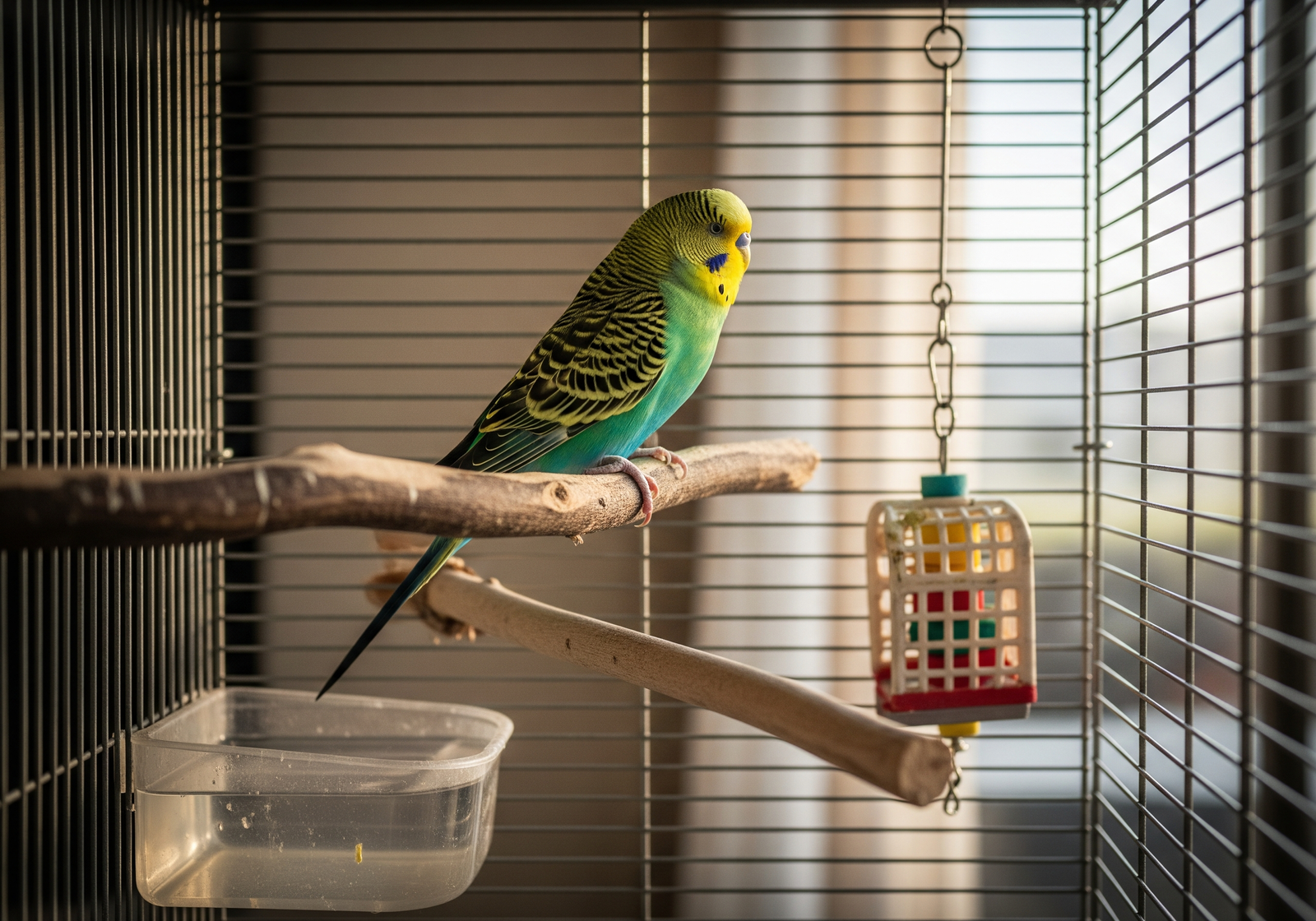
When creating a suitable habitat for your budgie or finch, the selection of perches and accompanying accessories plays a pivotal role in fostering a healthy environment. A diverse range of perches enhances the well-being of your bird by providing different textures and diameters that promote foot health. Natural wood perches of varying widths are highly recommended, as they mimic the bird’s natural environment and allow for essential movement and exercise. The variation in diameter helps exercise foot muscles and prevents problems associated with flat perches, which can lead to foot issues such as bumblefoot.
In addition to perches, it is vital to incorporate bathing areas into your bird’s cage. Budgies and finches love to bathe, and providing a shallow dish or a designated bathing area encourages this natural behavior, helping them to maintain the health of their feathers and skin. Bathing not only helps with cleanliness but also contributes to the bird’s overall happiness. It is also beneficial to include mineral sources such as cuttlebone or mineral blocks within their cage. These items provide essential nutrients that support your bird’s bone and feather development, thus promoting overall vitality.
Furthermore, enriching your budgie or finch’s environment with foraging toys and activities is crucial. Birds are naturally inclined to search for food and stimulating their minds with toys that encourage foraging behaviors can prevent boredom and promote mental agility. The RSPCA emphasizes the importance of providing varied activities, which can help mimic the wild and contribute positively towards a bird’s health. Overall, equipping your bird’s cage with well-chosen perches and accessories forms the foundation for a happy and healthy feathered companion.
Cage Location and Environment Setup
When selecting the ideal location for your budgie or finch’s cage, various factors must be taken into account to ensure a comfortable and safe environment for your feathered friend. Firstly, it is advisable to avoid placing the cage in or near the kitchen. Kitchens can present potential hazards due to the presence of cooking fumes and sharp utensils, as well as the risk of exposure to harmful substances such as smoke or hot surfaces.
Another important consideration is to avoid areas where extreme temperatures might occur. Bird cages should not be exposed to direct sunlight for prolonged periods, as it can cause overheating. Similarly, it is important to keep the cage away from drafty areas, such as near windows, doors, or air conditioning vents, since sudden temperature fluctuations can stress your bird.
Proper ventilation is essential for the health and well-being of your pet bird. Ensure that the location chosen for the cage allows for good airflow while protecting the bird from strong drafts. Good ventilation helps reduce the buildup of harmful airborne particles, contributing to a healthier living environment for your budgie or finch.
Creating a stimulating environment is also key to promoting your bird’s happiness and well-being. Position the cage in a common area where your bird can interact with family members but avoid overly noisy environments that could frighten them. Adding toys and perches within the cage can help to keep your pet engaged and active. Providing opportunities for your bird to explore outside the cage through supervised flight time will also enhance their quality of life.
In conclusion, careful consideration of your bird’s cage location, proper ventilation, and the creation of a stimulating environment are essential for maintaining an enriching habitat. By keeping these factors in mind, you can ensure that your budgie or finch thrives in their new home.
Understanding Bar Spacing for Safety
Selecting the appropriate bar spacing in bird cages is an essential consideration for ensuring the safety and well-being of your feathered companions, including budgies, finches, and other small birds. The spacing between bars can significantly impact the comfort and security of your pet, as it affects their ability to navigate the cage, avoid injury, and feel secure within their habitat.
For small species like budgies and finches, it is crucial to choose cages with bar spacing that ranges from 0.5 inches to 0.8 inches (approximately 1.3 cm to 2 cm). This spacing prevents young or small birds from sticking their heads through and becoming trapped, which can lead to injury or even fatality. A cage that is too wide can pose significant risks, while spacing that is too narrow may restrict their movement and comfort.
In contrast, larger species or those that tend to be more active may require greater bar spacing. For example, cages designed for larger birds, such as cockatiels or lovebirds, often have bar spacing of about 0.75 inches to 1 inch (1.9 cm to 2.5 cm). Each type of bird has unique needs, so it is essential to consider the specific requirements of your pet when selecting a cage.
Moreover, the material of the cage bars also plays a significant role in ensuring bird safety. Stainless steel or powder-coated metal are preferred options as they offer durability and are less likely to become damaged over time, reducing the risk of sharp edges that could harm your bird. Ensuring that the bar spacing is appropriate, coupled with high-quality materials, will contribute to a safe and comfortable environment for your budgie, finch, or other birds.
Cage Recommendations: Best Products on the Market
When selecting a suitable cage for your feathered friends, it is essential to consider both functionality and safety. Two popular options in the market for budgies and finches are the Skyline Tall Cage and the Waldorf Budgie Cage. Each cage offers unique features that cater to the specific needs of your bird, ensuring a comfortable and safe environment.
The Skyline Tall Cage is an excellent choice for bird enthusiasts looking for a spacious habitat. With dimensions measuring 48 inches in height, 32 inches in width, and 18 inches in depth, this flight cage provides ample room for your budgie or finch to move around, exercise, and play. The design also includes multiple levels and perches, promoting an active lifestyle. From a safety perspective, the bar spacing is crucial; the Skyline Tall Cage features horizontal bars spaced at 0.5 inches, making it appropriate for small birds, preventing escapes while allowing them to climb.
On the other hand, the Waldorf Budgie Cage is a more compact option, ideal for those with limited space. Measuring 30 inches in height, 23 inches in width, and 18 inches in depth, it is still spacious enough for a single budgie or a pair of finches. This cage includes detachable feeding stations and a removable bottom tray, which simplifies cleaning. The safety features are also commendable; the bar spacing is 0.6 inches, accommodating budgies without risking their safety while providing a secure living environment.
Both cages are designed to accommodate the natural behaviors of birds, with features that encourage interaction and reduce boredom. Ultimately, choosing the right cage depends on your specific requirements and the needs of your birds. An informed decision will ensure that your budgie or finch thrives in their new home.
Creating a Bird-Friendly Habitat Inside the Cage
When it comes to creating a comfortable and stimulating environment for your bird, the importance of customizing the inside of the cage cannot be overstated. A well-designed habitat is essential for the well-being and happiness of your pet, be it a budgie, finch, or another bird species. Offering various enrichment activities, safe toys, and an appropriate arrangement of perches can significantly enhance the quality of life for your feathered friend.
First and foremost, the choice of perches is critical. Birds naturally engage in climbing and exploring, so providing a variety of perching options with different diameters and textures is highly beneficial. Natural wood perches are ideal, as they allow birds to exercise their feet while mimicking their natural habitat. Additionally, consider placing perches at different heights within the cage, as this encourages your bird to move around and utilize its flight skills, contributing to its physical fitness.
Incorporating safe toys into the bird’s cage is another effective way to enrich its environment. Opt for toys made from non-toxic materials that are free from sharp edges. Rotate the toys regularly to keep your budgie or finch engaged and prevent boredom. Puzzle toys and foraging devices can create opportunities for mental stimulation, mirroring the challenges birds would face in the wild in search of food.
Lastly, enhancing the interior of the cage with suitable accessories, such as ladders, swings, and hides, will allow birds to exhibit their natural behaviors. Even providing a small bowl of shredded paper or natural grasses can serve as a nesting material for birds, promoting their instinctual activities. Creating a bird-friendly habitat is vital; it supports emotional health, reduces stress, and enhances overall happiness in your pet bird.
Maintaining a Clean and Healthy Cage
Maintaining a clean and healthy cage is essential for the well-being of your budgie, finch, or any pet bird. Regular cleaning not only helps to create a safe and pleasant environment for your feathered friend but also prevents the spread of disease and pest infestations. It is important to develop a cleaning routine that fits your schedule. Many bird owners find that daily maintenance combined with a more thorough weekly cleaning can be an effective approach.
When cleaning bird cages, it is critical to use non-toxic and bird-safe materials. Avoid harsh chemicals, as they can be harmful to birds. Instead, opt for natural cleaning solutions, such as vinegar and water or baking soda. These alternatives are effective at breaking down dirt and debris without posing a risk to your pet. Make sure to remove any uneaten food and soiled bedding regularly. This practice not only helps to keep the environment clean but also reduces the likelihood of attracting pests like mites or flies.
In addition to the cleaning solutions, the choice of cage type plays a significant role in maintaining a hygienic space. For instance, a flight cage often has removable trays that make cleaning easier. Regularly check for any signs of wear or damage to the cages, as this could lead to the accumulation of waste and contribute to an unhealthy living environment. Always monitor your budgie’s, finch’s, or bird’s health, as a dirty cage can lead to respiratory issues, skin irritations, or other health problems. Ensuring good ventilation will also help prevent mold growth, which thrives in damp environments.
By following these guidelines, you can create a clean, safe, and healthy habitat for your beloved birds, ensuring they thrive and remain happy.
Conclusion: Prioritizing Your Bird’s Comfort and Safety
In the journey of choosing the perfect cage for your bird, several critical factors must be emphasized to ensure that your pet thrives in a nurturing environment. The well-being of birds, whether you have a budgie, finch, or any other type of feathered companion, should be your utmost priority. This requires a comprehensive understanding of the specific needs of different species and how these needs translate into appropriate cage selection and setup.
Firstly, the size of the bird cage is paramount. A spacious flight cage can make a significant difference in the quality of life for your bird. Budgies and finches, for example, require ample space to stretch their wings and engage in natural behaviors. Sufficient room within their cages encourages exercise, which is essential for their overall health. A cramped environment can lead to stress and a host of other health issues.
Secondly, safety should not be overlooked. The materials used in the construction of the bird cages should be non-toxic and designed to prevent escapes. Regular maintenance of the cage is also essential to ensure that it remains a safe haven for your feathery friends. Additionally, incorporating enriching features, such as perches, toys, and safe plants, fosters mental stimulation and adds to the comfort of budgies and finches alike.
Lastly, it is essential to consider the environmental setup within the cage. A well-planned interior that mimics their natural habitat can significantly enhance the quality of life. Items such as shelters, varied perches, and bathing areas contribute to an enriching environment that promotes happiness and well-being. Your diligent attention to these details reflects your commitment to prioritizing your bird’s needs. By carefully selecting and setting up the appropriate bird cage, you create a nurturing environment that supports the health and happiness of your pet.